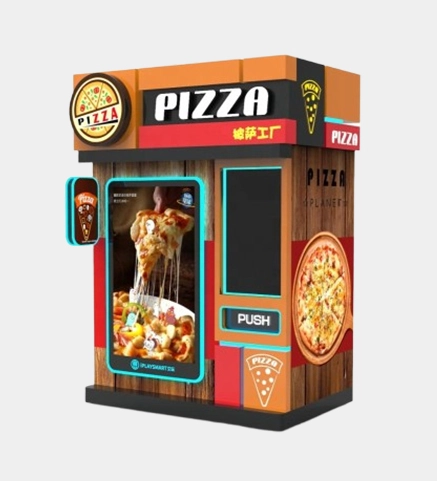
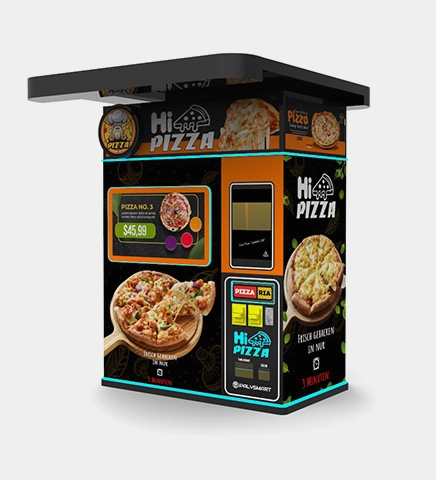
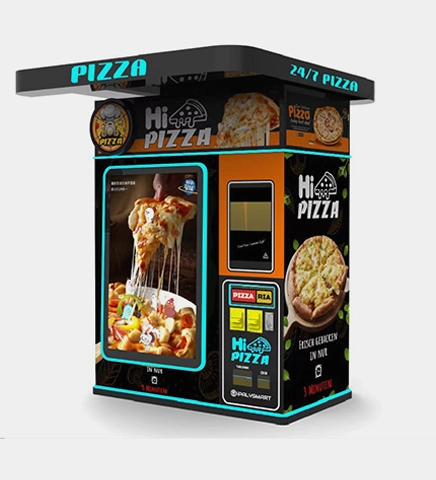
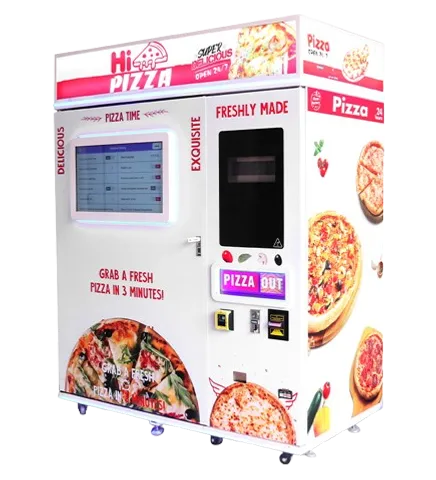
The development of vending technology has reshaped how people consume meals and snacks, and the automated food vending machine stands at the center of this transformation. No longer limited to basic packaged products, today's machines can deliver freshly made pizza, bubble tea, coffee, ice cream, or even hot french fries with just a few clicks. For modern consumers seeking both speed and reliability, vending solutions provide a new level of convenience that fits perfectly into fast-paced lifestyles.
How the Ordering and Preparation Process Works
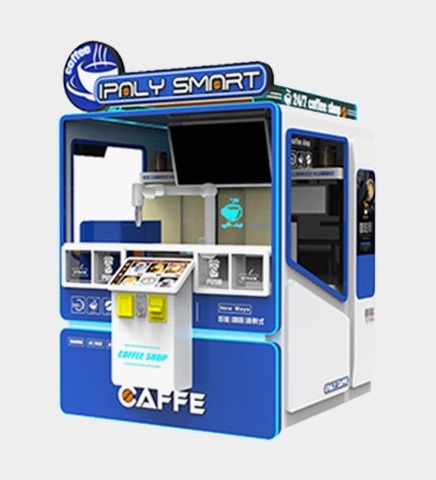
An automated food vending machine integrates advanced software and hardware to carry out a seamless transaction. The process begins when the customer selects their preferred product via a digital interface, often enhanced by touchscreens for easy navigation. After payment is processed through secure cashless or cash-enabled systems, the internal storage mechanism transfers ingredients to the preparation chamber. For instance, frozen items are kept at the correct temperature until cooking begins, ensuring freshness and safety. The heating, cooling, or blending functions then operate automatically, producing food that is consistent in both flavor and presentation. Within a few minutes, the finished product is dispensed to the customer, offering an efficient dining solution without human involvement.
The Importance of Hygiene and Food Safety
Hygiene remains a critical factor when food is prepared in a public environment. An automated food vending machine addresses this concern through enclosed preparation chambers and strict temperature control. Refrigerated compartments maintain raw ingredients at optimal conditions, while cooking chambers operate with precise heat settings that eliminate potential safety risks. Additionally, built-in cleaning systems and automated waste management reduce contamination, ensuring every portion of food meets high safety standards. This closed-loop process not only guarantees hygiene but also reassures customers who prioritize health and cleanliness in their dining choices.

Comparing Automated Food Vending with Traditional Food Services
Automated food vending machines offer distinct advantages over traditional food services in several key aspects. In terms of service speed, vending machines deliver orders in just 3–5 minutes without human intervention, whereas traditional restaurants depend on staff availability and workload. Labor needs are minimized with vending machines, as they require no on-site personnel, unlike conventional food services that rely on chefs and service teams. Additionally, automated food vending machines operate 24/7, providing continuous access, while traditional establishments are limited to fixed business hours. Hygiene control is enhanced in automated systems due to fully enclosed food preparation, reducing contamination risks compared to manual handling in traditional settings. Space efficiency is another benefit, as vending machines have a compact footprint, eliminating the need for large kitchens and dining areas required by traditional food services. Overall, automated vending technology delivers convenience, cost efficiency, and consistent quality, complementing and innovating beyond conventional dining models.
Customer Experience and Market Adaptability
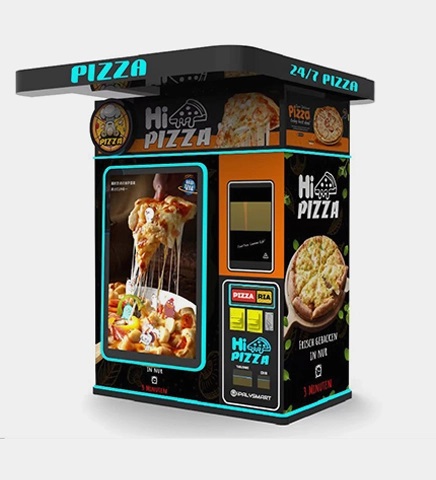
The consumer appeal of vending machines goes beyond convenience. Many models allow customers to watch the preparation process through transparent windows, adding an element of entertainment to the purchase. The availability of diverse menu items—from hot meals to frozen desserts—makes them adaptable to multiple markets such as universities, airports, shopping centers, and workplaces. The quick and interactive experience fits the preferences of younger generations who value both time efficiency and novelty. For businesses, the scalability of these machines provides new revenue opportunities without the logistical challenges of traditional storefronts.
Innovation and the Future of Automated Food Vending
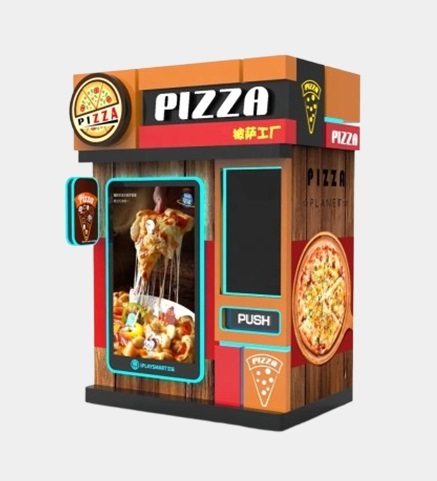
The journey of the automated food vending machine does not stop with its current capabilities. Technological innovations continue to enhance machine intelligence, integrating features like real-time monitoring for operators, AI-driven inventory management, and advanced payment solutions. These advancements not only increase operational efficiency but also improve customer satisfaction through personalization, such as adjustable portion sizes or additional flavor options. As smart vending becomes a staple of urban infrastructure, the industry is positioned for even greater growth, shaping the future of how people access convenient meals on the go.